Machine Embroidery Easel: A Boutique Sweatshirt Review
As a professional embroidery designer curating collections for small boutique brands, I approach every new digital asset with a critical eye. When preparing for a seasonal drop, specifically one that bridges the gap between nostalgic Back To School themes and cozy autumn apparel, the selection of artwork is paramount. I recently evaluated the Machine Embroidery Easel design for a premium sweatshirt collection, and my assessment focuses on how this specific machine embroidery design translates from screen to fabric. For Etsy sellers and apparel decorators, understanding the nuance of this design is essential for creating a handmade product that feels intentional rather than generic.
First Impressions and Design Personality
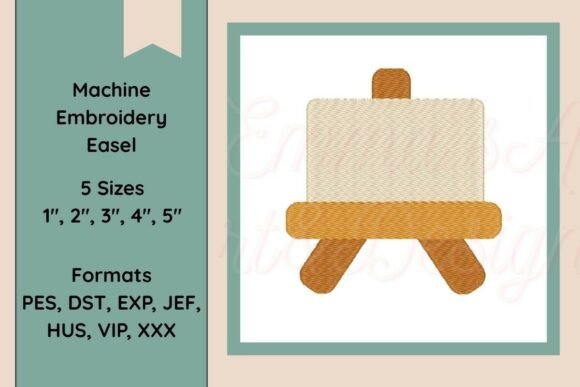
Upon opening the embroidery file, the Machine Embroidery Easel immediately communicates a sense of academic nostalgia mixed with artistic charm. The layout suggests a balanced composition that avoids being overly dense, which is crucial when stitching on heavy fleece or French terry fabrics. My first impression is that this design leans towards a "scholarly cute" aesthetic. It possesses enough detail to be visually interesting in lifestyle product photography but remains clean enough to read clearly on textured garments.
For a boutique brand, the mood of this design is versatile. It strikes a balance between playful and refined. While it fits squarely into the Back To School category, the execution allows it to transcend age groups. It does not feel juvenile; instead, it evokes a collegiate or vintage art studio vibe. This makes it an excellent candidate for oversized hoodies and neutral-toned sweatshirts where the goal is to create custom apparel that appeals to teachers, students, artists, and lifelong learners alike. The stitching personality appears structured yet approachable, suggesting it will sit flat and secure without excessive puckering.
Evaluating Fabric Compatibility and Placement
When integrating the Machine Embroidery Easel into a sweatshirt collection, fabric texture is the primary variable. On a premium, heavyweight cotton fleece in oatmeal or charcoal, this design serves as a sophisticated chest placement. The contrast of thread colors against neutral backgrounds allows the easel motif to pop without overwhelming the garment. For pastel-colored hoodies, the design softens, taking on a more feminine and delicate appearance that aligns with current cottage-core or dark academia trends.
I also evaluated this hoodie design for alternative placements. While the left chest is standard for commercial embroidery, the Machine Embroidery Easel has the potential for center-chest placement on cropped sweatshirts or even as a sleeve accent near the cuff. However, designers must verify the hoop size before committing to these locations. The proportions of an easel can sometimes be tall; ensuring the design fits within the printable area of your specific machine’s hoop is vital to avoid resizing errors that distort stitch density. For back designs, this motif could serve as a smaller logo element above a larger typography piece, anchoring the visual hierarchy of the garment.
Technical Considerations for Commercial Embroidery
A beautiful digital preview does not always guarantee a flawless finished product. As someone who manages production runs, I look for specific technical indicators in a digital embroidery file. Stitch density is the most critical factor here. Sweatshirt embroidery requires a design that is not too dense, or the fabric will become stiff and bulletproof. Conversely, if the stitch count is too low, the design may sink into the pile of the fleece. Based on the visual structure of the Machine Embroidery Easel, it appears optimized for medium-weight knits, but running a test stitch-out on your exact blank is non-negotiable.
Stabilizer choice will dictate the crispness of the lines. For this type of detailed artwork on stretchy knit fabrics, I recommend a combination of cut-away stabilizer for permanent support and a water-soluble topping to prevent the stitches from sinking into the fabric nap. This ensures the fine details of the easel remain legible after washing. Durability is key for customer trust; a design that distorts after a single laundry cycle damages brand reputation. Always check the digitizing notes included with the design assets to confirm recommended needle sizes and tension settings.
Color Strategy and Thread Selection
The versatility of the Machine Embroidery Easel shines through thread color selection. For a rustic, vintage feel, utilizing variegated threads in brown or olive tones can add depth and mimic the look of aged wood or canvas. For a modern, bold statement, high-contrast monochromatic schemes (such as white thread on black fleece) create a graphic impact that photographs exceptionally well for social media.
Small shop owners should consider offering this design in multiple colorways to maximize SKU variety from a single embroidery file. A navy and gold version targets the traditional academic market, while a blush and cream palette appeals to the bridal party or teacher gift niche. Remember that thread colors interact differently under flash photography versus natural light. Creating physical samples before launching Etsy listings prevents customer disappointment regarding color accuracy.
Marketability and Brand Value
In the competitive landscape of digital sellers and handmade businesses, unique design assets are what separate thriving brands from saturated shops. The Machine Embroidery Easel offers strong visual recognition because it is distinct from the overused pencil or apple motifs typically associated with school themes. This uniqueness contributes directly to perceived product value. Customers are willing to pay a premium for boutique merchandise that feels curated and thoughtful rather than mass-produced.
Furthermore, this design supports cohesive brand identity. If your shop focuses on stationery, art supplies, or educational resources, this embroidered apparel acts as an extension of your core offerings. It creates a tangible connection with your audience. For those selling the digital embroidery file itself, providing accurate mockup previews and clear usage guidelines enhances buyer trust. Showing the design on actual fabric textures, rather than just flat digital renders, helps other makers visualize the end result and increases conversion rates.
Production Checklist for Success
Before adding the Machine Embroidery Easel to your production queue, review these practical checkpoints:
- Verify Specifications: Confirm the exact stitch count, physical dimensions, and compatible formats match your machine capabilities.
- Test on Target Fabric: Never skip the test sew on the exact sweatshirt blank you intend to sell to check for registration issues.
- Assess Readability: Ensure small text or intricate details within the easel design remain clear at the intended print size.
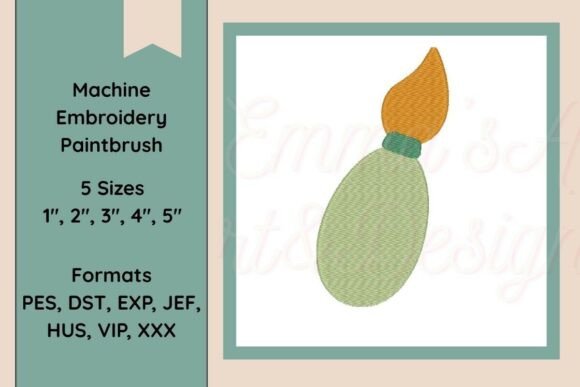
- Plan Photography: Style the finished product with relevant props like books or paintbrushes to reinforce the thematic context.
- Check Licensing: Review the terms to ensure commercial use for both physical products and digital marketing is permitted.
Ultimately, the Machine Embroidery Easel is a promising addition to any apparel decorator's library. It balances technical feasibility with aesthetic appeal, making it suitable for everything from quick craft fair items to high-end boutique drops. By treating this design with professional scrutiny and thoughtful styling, creative entrepreneurs can transform a simple digital file into a best-selling seasonal staple that resonates deeply with their target audience.