Send Help Coffee Cup: A Crafter’s Review
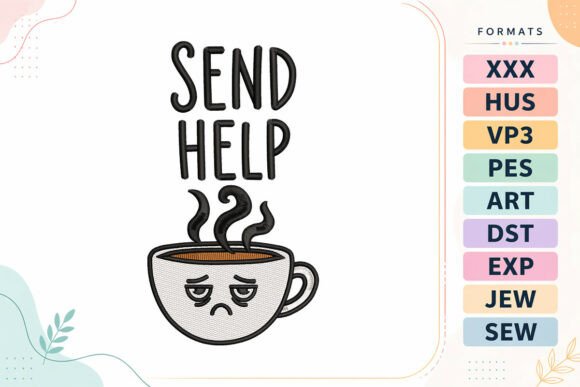
As an experienced embroidery designer preparing for the upcoming weekend craft fair season, I constantly evaluate which digital assets will translate best into physical sales. When reviewing the Send Help Coffee Cup machine embroidery design, my immediate assessment focuses on its commercial viability for handmade products. This design features a tired coffee cup character paired with the humorous phrase “Send Help,” positioning it perfectly within the Back To School category. For Etsy sellers, boutique makers, and creative entrepreneurs, this specific embroidery file offers a unique blend of relatable humor and seasonal relevance that can drive significant booth traffic and online engagement.
First Impressions and Visual Appeal
Upon loading the Send Help Coffee Cup design into my software, the first impression is undeniably modern and relatable. It strikes a balance between cute and sarcastic, avoiding the overly cutesy aesthetic that sometimes alienates adult buyers. The "tired" expression on the coffee cup character serves as an instant emotional hook for parents, teachers, and students navigating the chaos of a new school year. From a design perspective, the artwork feels bold enough to be seen from a distance across a crowded market table but retains enough charm to encourage closer inspection.
For small shop product lines, visual clarity is paramount. This design does not rely on intricate shading or photorealistic details that might get lost in translation from screen to fabric. Instead, it utilizes clean lines and distinct shapes that read well even when viewed quickly. As a craft fair product, this immediate readability is essential. Customers browsing a booth often make split-second decisions based on whether they understand the joke or sentiment instantly. The Send Help Coffee Cup succeeds here because the humor is universal and the visual hierarchy directs the eye straight to the punchline.
Best Applications for Market Products
Determining where to place this embroidery file is just as important as the stitching itself. Based on current market trends and practical production considerations, I have identified several high-potential applications for this design:
- Tote Bag Design: Canvas tote bags are a staple for Back To School shoppers. The Send Help Coffee Cup works exceptionally well centered on a natural or cream-colored canvas tote. The contrast of dark thread against light fabric ensures the tired character pops, making it a walking billboard for your brand at school drop-offs.
- Apron Embroidery: Teachers and cafeteria staff often wear aprons. Placing this design on the chest area of a denim or twill apron adds personality to functional workwear. It transforms a standard uniform item into a conversation starter and a desirable handmade product.
- Tea Towel Embroidery: Kitchen linens are top-tier sellers at craft fairs. A flour sack towel featuring this design appeals to the exhausted parent making school lunches. Because tea towels are flat and stable, they allow for crisp registration of both the character and the text.
- Embroidered Patch: For vendors looking to maximize profit margins, converting this design into an embroidered patch is a strategic move. Patches require less base fabric, can be produced in batches, and offer customers a versatile add-on purchase for backpacks or pencil cases.
- Fabric Pouches and Zipper Bags: Small cosmetic or utility pouches are excellent impulse buys. The compact nature of the Send Help Coffee Cup makes it ideal for 5x7 hoop sizes, allowing you to utilize smaller scraps of linen or cotton while maintaining a premium feel.
Production Practicality and Batch Efficiency
When preparing for a market, time is money. A digital embroidery file must be efficient to produce without sacrificing quality. The Send Help Coffee Cup appears optimized for batch production. The design likely uses color blocks logically, minimizing thread trims and jump stitches. Fewer stops mean faster run times and less manual intervention, which is crucial when fulfilling orders for a weekend show.
From a photography standpoint, this design is highly photogenic. The combination of a recognizable object (coffee cup) and legible text creates strong thumbnails for Etsy listings and social media ads. When creating a printable mockup or listing photo, ensure the design is photographed on the actual finished product rather than relying solely on digital renders. Real-world texture sells handmade goods. The humor in the design also encourages user-generated content; customers love sharing relatable teacher or parent memes, providing free marketing for your commercial embroidery business.
Critical Technical Considerations
Despite its appeal, there are specific technical factors every embroidery designer must verify before mass production. While the description highlights the humor and theme, you must personally validate the following:
- Stitch Density on Textured Fabrics: If applying this to terry cloth tea towels or waffle weave fabrics, test the stitch density first. Detailed facial expressions on the coffee cup may sink into high-pile textures. You may need to add a knockdown stitch or use a water-soluble topping to maintain definition.
- Small Lettering Clarity: The phrase “Send Help” is central to the design. Verify the minimum size limit. If you plan to resize the design down for a pocket or patch, ensure the font remains legible. Thin serif fonts often fail at small scales; if the original file uses delicate typography, consider substituting a bolder sans-serif for miniature versions.
- Curved Surfaces: If using this for cap embroidery, check the distortion settings. A flat design digitized for totes may warp on a curved hat brim. Always create a separate cap-specific version if possible, or adjust pull compensation specifically for headwear.
- Thread Colors and Contrast: The "tired" aesthetic relies on specific shading. Test thread colors on your intended fabric. Dark gray might look like black on navy fabric, losing the character's expression. High contrast is non-negotiable for craft fair visibility.
- Stabilizer Selection: Do not guess. Use the correct stabilizer for each substrate. Cutaway for knits and stretchy tote materials; tear-away for stable woven cottons. Improper stabilization will cause puckering that ruins the professional finish expected by boutique buyers.
Designer Notes for Commercial Success
Before listing any finished product derived from the Send Help Coffee Cup embroidery file, conduct a thorough pre-production audit. Always stitch out a test sample on scrap fabric identical to your final product. Inspect the registration between the character outline and the fill stitches. Misalignment looks unprofessional and devalues the handmade quality of your work.
Furthermore, confirm the licensing terms included with the digital embroidery file. While many designers allow the sale of finished physical products, some restrict mass production or require attribution. Understanding these rights protects your business and respects the original digitizer. Also, compare fabric colors in natural lighting versus indoor booth lighting. A design that looks vibrant under studio lights might appear muddy in a dimly lit community center hall.
Finally, leverage the Back To School timing effectively. Bundle items featuring the Send Help Coffee Cup as "Teacher Survival Kits" or "Parent Sanity Packs." This contextualizes the embroidery design as a solution to a feeling, increasing perceived value. Whether you are selling a single tea towel or a full line of coordinated school gear, this design offers the perfect intersection of trend, humor, and producibility. By treating this embroidery file not just as art, but as a strategic business asset, you maximize both your creative satisfaction and your bottom line at the next market.